
Exploring the Digital Wilderness: Which Sites Are Not Online?
In today’s hyper-connected world, we often take the internet for granted. However, not all sites are readily accessible everywhere. Some are blocked due to regional regulations, while others have been deliberately taken offline. Understanding which sites are not online can guide users toward alternative platforms or services. One such example in the online gaming sector is which sites are not on GamStop? casinos not under GamStop, which offer options that some may prefer over more restrictive sites.
The internet is a vast landscape filled with millions of websites catering to various needs. From informative blogs to e-commerce platforms, the diversity is astounding. However, it’s essential to note that numerous websites are not accessible due to different reasons. This article will delve into the types of websites that you might encounter issues with and why they might not be online.
1. Geographically Restricted Websites
Many websites restrict access based on geographic locations. These are often referred to as geo-blocked sites. Websites such as streaming services (like Hulu or Netflix) implement geographic restrictions to comply with licensing agreements. If you are traveling or residing in a region where these services are not available, you may find yourself unable to access them, despite having an account.
To bypass these restrictions, many users turn to Virtual Private Networks (VPNs), which can mask their IP addresses and make it appear as though they are browsing from an allowable location. However, using VPNs comes with its own risks and must be approached with caution, especially regarding terms of service agreements.
2. Censored Content
In some countries, internet censorship is a significant issue, with governments blocking access to certain websites considered sensitive or inappropriate. This could include social media platforms, news sites, and any media that contradicts governmental narratives. Countries like China and North Korea have some of the strictest internet censorship laws globally, resulting in a vast number of popular global websites not being accessible to their citizens.
As a result, people living in or visiting these countries often resort to using circumvention tools, like proxy servers and VPNs, to gain access to banned content. However, these tools may also be illegal in some jurisdictions, making them a risky option.
3. Defunct Websites
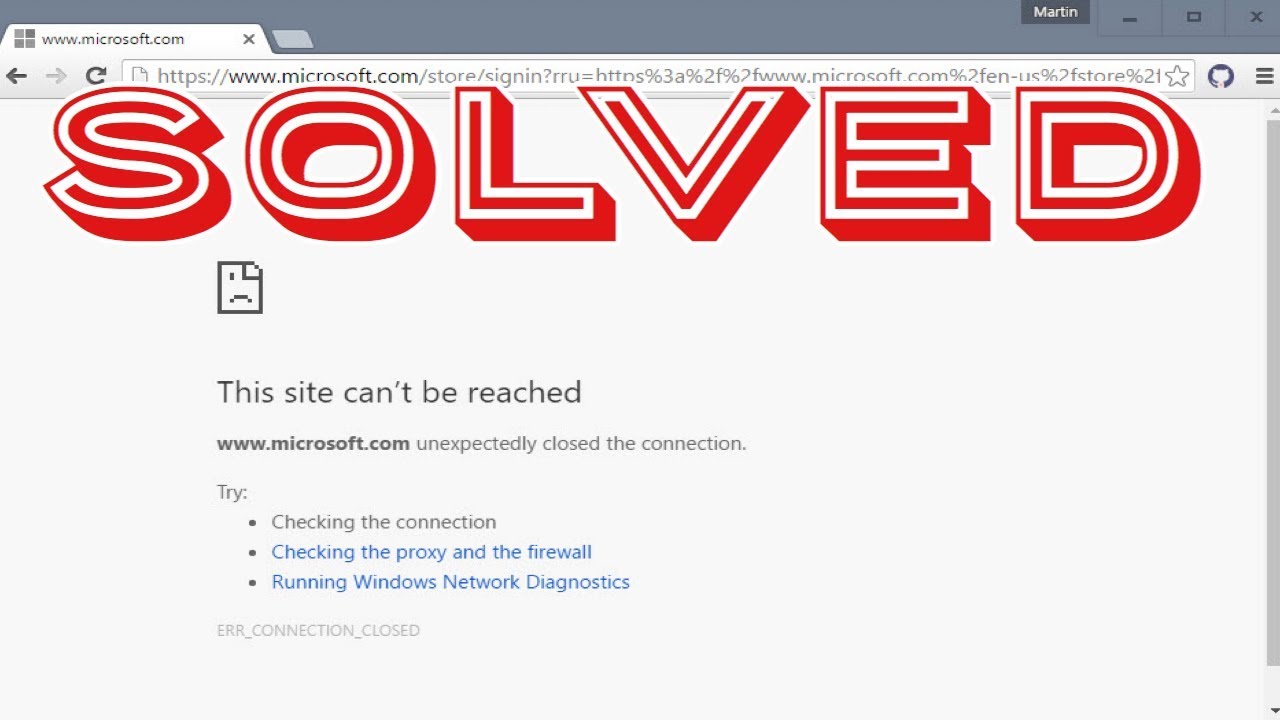
Many websites simply cease operations and go offline. This can happen for a variety of reasons, including financial difficulties, changes in management, or losing relevance. Once a website is defunct, it usually redirects users to a different site or displays a “404 Not Found” page, signifying that the requested content can no longer be accessed.
For some users, finding alternatives to defunct sites can be frustrating. This is particularly true if the site was serving a specific niche or service. Fortunately, the internet is ever-evolving, and new platforms frequently emerge to fill the void left by defunct websites, though user experiences may vary.
4. Sites Removed for Legal Reasons
Occasionally, websites are forced to go offline due to legal actions or non-compliance with regulations. This can happen with torrent sites, sharing platforms, and online services accused of copyright infringement or fraud. Such actions can lead to permanent shutdowns or temporary takedowns while legal matters are resolved.
Users seeking similar services may have to navigate a complicated landscape of alternatives that often come with their own risks, especially if they are operating in legal grey areas. Users should exercise caution and conduct proper research before engaging with new platforms.
5. Outdated Technology
Some sites may no longer be accessible due to outdated technology. Websites built on older frameworks or coding languages may become incompatible with modern browsers or devices over time. This is particularly true for sites that haven’t been updated in years and operate on legacy systems that can’t support modern web standards.
While some of these sites may still exist on the web, users may encounter issues loading them. In many cases, trying to visit these sites can result in errors or slow performance, ultimately discouraging continued use. For users looking for more reliable browsing experiences, seeking out up-to-date alternatives is advised.
6. Privacy-Concerning Websites
Some websites operate in a dubious legal space, worrying users about privacy and security. Sites offering illegal services or products may not remain online for long due to legal scrutiny from law enforcement agencies. Users should be aware that while these sites may promise anonymity or other perks, they often come with significant risks, like exposing personal data or financial information to predators.
In this context, users seeking alternative services need to prioritize safety over the allure of anonymity. It’s wise to conduct in-depth research and use platforms that advocate for user privacy with transparent practices.
Conclusion
In summary, there are many reasons a website might not be online or accessible. From geographical and legislative restrictions to issues of legality or technology, users should remain informed about the rationale behind missing sites. The evolving nature of the internet means new alternatives are continually arising, and while some options might come with their own sets of challenges, it’s crucial for users to choose wisely.
With the right information and tools, navigating the complex web of online resources can lead users to find satisfying alternatives, whether they are looking for entertainment, information, or services.